Affordable Container House USA: Your 2026 Guide to Smart & Sustainable Living
The American dream of homeownership is evolving. With rising lumber costs, labor shortages, and long construction timelines, many future homeowners are turning toward innovative alternatives. Among the most exciting trends is the rise of the affordable container house USA — a movement that combines sustainability, modern design, and unprecedented cost savings.
But what exactly makes a shipping container home affordable? And how can you actually secure an affordable container house USA without compromising quality or style? In this detailed guide, we’ll break down costs, design strategies, financing options, and real-world examples. Whether you're a first-time buyer or an investor, you’ll discover why container homes are reshaping the housing landscape.
Why the Affordable Container House USA Trend is Booming
From California to Florida, families are discovering that an affordable container house USA isn't a compromise — it's an upgrade. Traditional site-built homes now average over $400,000 in many regions, while a fully finished 40ft container home offers exceptional value with faster completion times (often 8–12 weeks from order to delivery).
Beyond price, these homes are incredibly durable. Built from corten steel, they resist fire, mold, and pests. With proper insulation and HVAC systems, an affordable container house USA can outperform traditional wood-frame homes in energy efficiency. Plus, stacking containers allows for creative multi-story layouts without expensive structural engineering.
5 Design Ideas for Your Affordable Container House USA
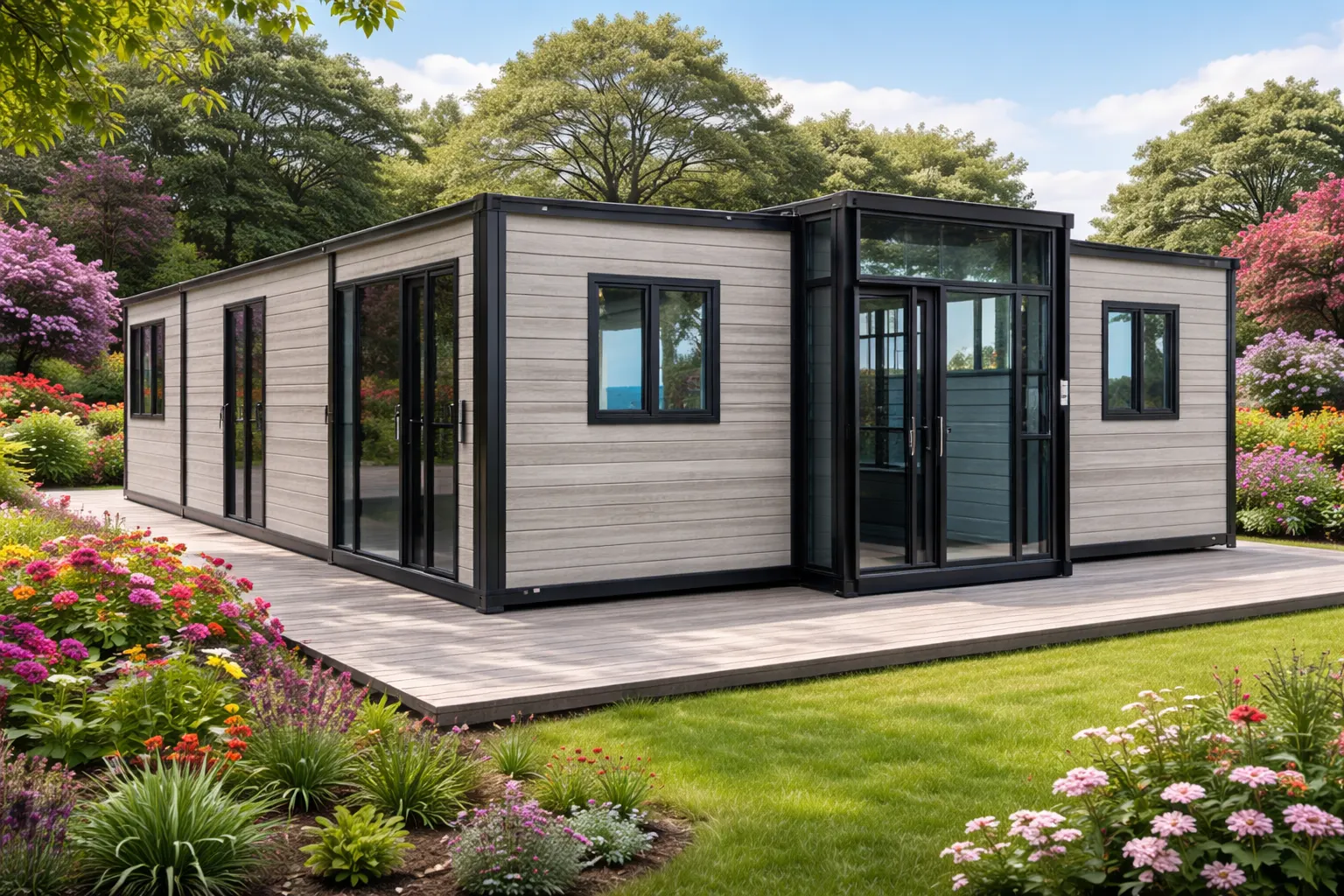
One common myth is that container homes look like industrial boxes. But with thoughtful design, an affordable container house USA can be stunning. Here are five proven layouts:
- Single-Container Studio (20ft): Perfect for a guest house, home office, or tiny rental. Clever built-ins maximize 160 sq ft.
- Two-Container L-Shape (40ft + 20ft): Creates a natural courtyard and separates living/bedroom zones. Very popular for couples.
- Side-by-Side 40ft Duplex: Two containers joined to create a 640 sq ft 2-bedroom home. Ideal for small families.
- Stacked 2-Story (two 40ft containers): Provides 1,280 sq ft of living space, with upper deck and large windows.
- Off-Grid Container Cabin: Solar panels, rainwater collection, and composting toilet — the ultimate sustainable affordable container house USA.
Each design can be tailored to your climate and land. In hotter states like Arizona or Texas, reflective roofing and cross-ventilation are key; in colder regions, spray foam insulation and double-pane windows keep heating costs low.
Financing & Zoning: How to Legally Own an Affordable Container House USA
Before purchasing your affordable container house USA, check local building codes. Many rural counties and even some suburbs now allow container homes as permanent dwellings. However, some areas classify them as "accessory dwelling units" (ADUs) or require engineering stamps.
Financing options have expanded dramatically. Personal loans, RV loans, and even specialized container home lenders offer competitive rates. Another path: use a cash-out refinance on existing property or partner with a local credit union. Because an affordable container house USA typically costs less than a new car, many buyers pay cash or use short-term financing.
Remember to budget for land (if you don’t already own a plot). Prices vary wildly — from $5,000 for rural acreage to $100k+ in suburban areas. But combined, land plus an affordable container house USA often still beats traditional construction.
Insulation, Climate & Comfort: Making Your Container Home Energy-Efficient
One question we often hear: “Are container homes too hot or too cold?” The answer depends on insulation. Steel conducts temperature, so proper insulation is non-negotiable. The most effective methods for an affordable container house USA are closed-cell spray foam (R-value up to 7 per inch) or rigid foam boards with a vapor barrier. Many owners combine both for maximum efficiency.
Once insulated, a mini-split HVAC system easily maintains 72°F year-round. And because containers are airtight, energy loss is minimal — lowering utility bills by 30-50% compared to traditional homes. With solar panels, an affordable container house USA can become nearly net-zero, further reducing long-term costs.
Real Owner Story: Living in an Affordable Container House USA
Meet Jessica and Mark from Austin, Texas. After being priced out of the housing market, they decided to invest in an affordable container house USA from a certified builder. “We paid $58,000 for a fully finished 40ft home, including delivery and utility hookups,” Jessica explains. “Our monthly expenses dropped by 60% compared to renting. And the design — vaulted ceilings, large windows — feels anything but cramped.”
Their home includes a full kitchen, bathroom, laundry closet, and a bedroom loft (thanks to a raised sleeping area). Two years later, they’ve added a second container as a home office. Stories like this prove that an affordable container house USA isn’t just a budget choice — it’s a lifestyle upgrade.
Common Myths vs. Facts About Container Homes
- Myth: Container homes look like cargo boxes. Fact: With siding, stucco, or wood cladding, they resemble modern cabins or minimalist houses.
- Myth: They are unsafe during hurricanes or tornadoes. Fact: Steel containers are far stronger than wood frames; many are rated for 180+ mph winds.
- Myth: An affordable container house USA can't be customized. Fact: You can add skylights, sliding glass doors, rooftop decks, and smart home tech.
- Myth: Financing is impossible. Fact: Several national lenders now offer chattel loans or RV loans specifically for container homes.
Step-by-Step: How to Buy Your Own Affordable Container House USA
Ready to take the leap? Follow this roadmap:
- Research local zoning: Call your county planning department. Ask about "modular" or "shipping container dwellings."
- Set a realistic budget: Include land, delivery, site work (foundation, utilities), and interior finishes.
- Choose a reputable builder: Companies like Royal Nest Containers offer DDP delivery and code-compliant builds.
- Select your container size & layout: 20ft, 30ft, 40ft, or multi-container.
- Order & prepare your land: While your home is being built (6–12 weeks), clear the site and arrange water/electric/septic.
- Delivery & installation: The container is craned onto your foundation, then connected to utilities.
- Final inspection & move-in: Enjoy your affordable container house USA!
Throughout the process, keep communication open with your builder. Most issues (permits, transportation) can be solved with early planning.
Is an Affordable Container House USA Right for You?
This housing solution suits a wide range of people: remote workers seeking a quiet studio, retirees looking to downsize, young couples wanting to avoid massive debt, and even investors building rental portfolios. The key advantages — low cost, speed, durability, and eco-friendliness — are hard to beat.
However, it's not for everyone. If you require a large family home with 4+ bedrooms, a single container might feel tight. But by combining multiple containers, you can easily reach 2,000+ sq ft. Also, if local building codes are extremely restrictive, you may face extra hurdles. Yet across the USA, container home acceptance is growing daily.
The movement toward container living isn't a fad — it's a response to a broken housing market. An affordable container house USA offers freedom from 30-year mortgages, freedom to live more sustainably, and freedom to design a space that truly reflects your values. With costs lower than ever and financing widely available, now is the perfect time to join thousands of Americans who have already made the switch.
Final thought: Whether you dream of a beachside retreat, a mountain cabin, or an urban infill home, the humble steel container can be transformed into an architectural gem. Start your research today, and you could be moving into your own affordable container house USA within months — not years.